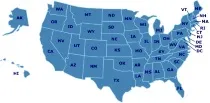
Founded in 1999 by William J. Bennett, along with other leaders, K12 offers a traditional program of learning using online technology and traditional content. Many states are offering the K12 program through Virtual Acadamies, with programs that are free of charge to participating families.
Literature Alive! is an email group list for the literary website of the same name. This list seeks to encourage and support parents who have a love for literature and a desire to share good wholesome books with their children. Its purpose is to develop the art and excitment of using great living literature in a learning lifestyle. This group will share information on how to turn a living book into a cherished book within the home. Different literature study methods enhanced by Charlotte Mason's writing will be discussed: lapbooks, notebooks, journals, book clubs, reading settings, etc.
Anyone who is pushing arithmetic onto preschoolers is wrong. Do not hurry child. No math in preschool! Preschoolers can and should engage in mathematical thinking. All young children possess informal mathematics and can learn more. A combination of an environment that is conducive to mathematical explorations, appropriate observations and interventions, and specific mathematical activities helps preschoolers build premathematical and explicit mathematical knowledge.
Tips for using calendars, binders, notebooks, and a weekly assignment record to organize your homeschool. Although this article is specific to one curriculum, there are some useful general tips.
The purpose of this group is to form an information and support network for fellow spirit-filled Christian leaders. This is a place for fellowship, comfort, support, assistance, encouragement, ideas, brainstorming and resources. Here, you can share in the joys and trials of being a support group leader, exchange timely world news affecting Christian families, share resources to bring back to local groups, assist one another in developing goals for individual support groups and so much more. Christian Home School Leadership is for Christians involved with local and state wide support groups in any leadership capacity. Those wishing to join this group should already be active and involved in a home school group. Leadership, for this list, includes both those who are appointed or elected to a position (such as board member, newsletter editor, co-op leader)as well as leaders of more informal groups.