Homeschool Laws
Read the laws regulating home education in {{state}} and browse through the case law and legal opinions relating to those laws, along with government publications relating to homeschooling and summaries of the laws.
Indiana Code IC 20-33-2 Compulsory School Attendance
This is the full text of the compulsory school attendance statutes. These pertain to those who choose to home educate their children as well. IC 20-33-2-8 Students not bound by requirements Sec. 8. A student is not bound by the requirements of this chapter until the student becomes seven (7) years of age, if, upon request of the superintendent of the school corporation, the parent of a student who would otherwise be subject to compulsory school attendance under section 6 of this chapter certifies to the superintendent that the parent intends to: (1) enroll the student in a nonaccredited, nonpublic school; or (2) begin providing the student with instruction equivalent to that given in the public schools as permitted under section 28 of this chapter; not later than the date on which the student becomes seven (7) years of age. IC 20-33-2-28 Compulsory attendance for full term; duty of parentSec. 28. (a) This section does not apply during a period when a child is excused from school attendance under this chapter. (b) It is unlawful for a parent to: (1) fail; (2) neglect; or (3) refuse; to send the parent's child to a public school for the full term as required under this chapter unless the child is being provided with instruction equivalent to that given in public schools. As added by P.L.1-2005, SEC.17.
Indiana Home School Laws
The Home School Legal Defense Association provides a brief summary of the homeschooling laws in Indiana. Includes a link to a legal analysis of laws relating to homeschooling in Indiana.
Indiana Home School Help Sheet
This help sheet is provided by the Indiana Department of Education. It lists the basics of homeschooling in Indiana.
Political Influence
Every important movement or trend in this country was followed by an onslaught of legislative actions which resulted in some legal stipulations that controlled the trend. What is really of concern is that this legislative control is not static, but very fluid, subject to change (meaning more restrictions in many cases). These changes occur through either more legislative actions on the part of the government or through interpretation in the judicial system. Currently, the homeschool movement is being closely monitored by various teacher unions, the public and legislative bodies throughout the United States, resulting in more and more laws being passed to control or monitor the movement. If the homeschool movement is to survive in a manner which we feel would be beneficial to us and society as a whole, we have to be more and more diligent in protecting our rights. The only way we can do this is to be more active in the political process. The question now becomes, how do we do this?
Home School Legal Defense Association (HSLDA)
The Home School Legal Defense Association is a non-profit advocacy organization established to defend and advance the constitutional right of parents to direct the education of their children and to protect family freedoms. HSLDA offers annual memberships and fully represents member families when they are in need of legal assistance. HSLDA also participates in legislative advocacy and research.
Association of Home School Attorneys-Custody Discussion Group
This list is an opportunity for homeschoolers involved in custody issues to contact other homeschoolers for information about homeschooling attorneys and experts, as well as exchange ideas and information about handling custody disputes as a result of homeschooling.
The Rutherford Institute
The Rutherford Institute is an international legal and educational organization dedicated to preserving human rights and defending civil liberties. Deeply committed to protecting the constitutional freedoms of every American and the integral human rights of all people, The Rutherford Institute has emerged as a prominent leader in the national dialogue on civil liberties and equal rights. Parents have a constitutional right to direct and control the upbringing of their children, and laws or governmental actions that unreasonably infringe the rights of parents to raise and educate their children according to their own values are constitutionally suspect. The Rutherford Institute responds to over one thousand requests for assistance annually from parents whose rights were placed in jeopardy.
Indiana Code IC 20-8.1-3-17.3 Nonpublic, nonaccredited, and nonapproved schools
A school that is nonpublic, non-accredited, and not otherwise approved by the Indiana State Board of Education is not bound by any requirements set forth in IC 20 or IC 21 with regard to curriculum or the content of educational programs offered by the school.
Indiana Code IC 20-8.1-3-24 Attendance reports
Covers the attendance reporting requirements for private schools in Indiana. A private school administrator shall furnish, on request of the state superintendent of public instruction, the number of children by grade level attending the school.
Indiana Code IC 20-8.1-3-23 Attendance records
Requires that an accurate daily record of attendance be kept solely to verify the enrollment and attendance of any particular child upon request of the state superintendent of public instruction or the superintendent of the school corporation in which the private school is located.
How to Suppress Homeschooling
The education establishment has realized that the socialization issue will be seen for the red herring that it is, and has searched for other means to suppress homeschooling. Two new strategies have emerged, and these pose real threats to homeschooling. The first strategy is to argue that homeschooling needs some form of accreditation. A number of reasons have been offered: it eases the transition back to the public school for those homeschoolers who go back, it is the basis for awarding a recognized diploma, and it makes it easier to provide homeschoolers access to public school programs and facilities such as science classes, libraries, sports, etc. But accreditation is simply another word for conforming, and the desire to not conform is the fundamental reason for choosing to homeschool. Homeschoolers as a group will not be seduced nor will they be tricked by the false promises of accreditation. The second strategy for suppressing homeschooling is one that is much more likely to be successful, and it is to drastically limit homeschoolers’ access to public higher education. In this, the education establishment has discovered its only effective weapon against homeschooling.
The Relationship Between Public Schools and Home Schools In Indiana
Questions and answers regarding the relationship between public schools and home schools in Indiana.
Indiana Foundation for Home Schooling (IFHS)
The Indiana Foundation for Home Schooling is a 501(c)(3) non-profit organization that encourages and supports the homeschooling community by providing financial and other services to those who pursue, provide or promote home education.
Suggested Questions to Ask Candidates
This list of ten questions touches on political issues that affect and are important to homeschoolers. It includes tips on how to frame questions and how to elicit a candidate's opinion on a variety of issues.
National Home Education Legal Defense (NHELD)
National Home Education Legal Defense was founded by Attorney Deborah G. Stevenson as a non-sectarian legal support organization. NHELD offers its members legal assistance by an attorney licensed to practice in your state working with NHELD licensed attorneys. Members are also kept apprised of pending legislative action, scholarship programs, and other programs beneficial to homeschoolers.
Explanation of Indiana Homeschool Law
An explanation of how homeschools are non-accredited nonpublic schools as far as Indiana law goes. This article is written by Lora L. Miller, Consultant, "Youth Out of the Education Mainstream," at the Indiana Department of Education. Also addresses what the law means for granting diplomas and getting teenagers into college or other post-high school programs.
Indiana Code IC 20-8.1-3-17 Compulsory attendance; exit interviews; withdrawal from school
Indiana statute relating to compulsory attendance. Covers compulsory attendance ages and required days of instruction.
Safeguarding Home Education Freedoms at the Local Level
While many parents may not have the opportunity to influence legislation regarding home education on the state level, there are ways to be involved on a local level.
Together We Stand Free
Details the importance of support alternative educational choices, including private schools and vouchers, along with homeschooling.
Private Education/Home Schooling
The Indiana Department of Education's summary of the laws pertaining to homeschooling.
Universal Preschool
There is a national campaign to institutionalize all preschoolers through government funded and/or mandated "universal preschool." This group seeks to redefine universal preschool as an unheralded worldwide community of loving, functional parents who exercise their right and authority to nurture and teach their young children at home.
The Politics of Survival: Home Schoolers and the Law
Twenty years ago, home education was treated as a crime in almost every state. Today, it is legal all across America, despite strong and continued opposition from many within the educational establishment. How did this happen? This paper traces the legal and sociological history of the modern home school movement, and then suggests factors that led to this movement's remarkable success.
Indiana Code IC 20-8.1-3-34 Compulsory attendance for full term; duty of parent
It is unlawful for a parent to fail, neglect or refuse to send his child to a public school for the full term as required under this chapter unless the child is being provided with instruction equivalent to that given in the public schools. This section does not apply during any period when the child is excused from attendance under this chapter.
Social Security's New Home School Flow Chart
For some years, the Social Security Administration has permitted home schoolers to receive benefits in some cases. The agency used a fuzzy test involving several different factors. New documents from the Social Security Administration indicate that the agency has a much better defined policy in place now.
Indiana Home Educators' Network (IHEN)
Indiana Home Educators' Network (IHEN) is a statewide organization providing information, support, and resource to home educating families in Indiana.
When the Home Schooled Child Returns: A Model
When the home schooled child returns to public school the public school is faced with a decision concerning placement of the child. One model that takes into consideration the needs of the child and the responsibility of the public school is detailed in this article.
The Seduction of Homeschooling Families
Do the public school authorities feel threatened by homeschooling? Judging by their efforts to lure homeschooling families into dependence on local school districts, the answer is apparently yes. For the last several years, homeschooling has been the fastest growing educational alternative in the country. The sheer number of homeschoolers represent a distinct threat to the hegemony of the government school monopoly. Qualitatively, the academic success of homeschoolers, measured by standardized test scores and recruitment by colleges, debunk the myth that parents need to hire credentialed experts to force children to learn.
AHSA-USA Email List
This list is an opportunity for homeschoolers to contact homeschooling attorneys and experts about homeschooling legal and litigation issues. It is an informal network of attorneys and legal experts that are concerned with litigation pending and threatened against homeschoolers. Its primary purpose is to exchange legal information within the profession, and to educate and support attorneys and experts involved in homeschool litigation.
Home School Laws from HSLDA
Find the laws pertaining to home education for all 50 states and U.S. territories.
State Homeschooling Laws in Indiana
The law requires that our children be in school from 7-17 years of age and that they attend school for 180 days each year. This summary of the law is provided by the Indiana Association of Home Educators.
Withdrawing a Child from Public School to Homeschool
Contains suggestions that are useful for many Indiana families wishing to withdraw their children from public school and transfer them to a home-based private school, or home school.
Battling for the Heart and Soul of Home-Schoolers
A look at the battle for the homeschooling movement and the demographics of homeschooling families that challenges the notion that all homeschoolers are conservative fundamentalists. This article is a critical look at the HSLDA.
We Stand For Homeschooling
The "We Stand for Homeschooling Statement and Resolution” is a grassroots effort created by an ad hoc group of homeschoolers from all over the United States. The list of original signers includes homeschoolers and their allies from diverse religious, political and philosophical perspectives. The list is also geographically diverse. This statement addresses the issue of state control of homeschooling and the growing movement of using government funding to run emerging educational programs. You can read the statement and add your name to it at this website.
Resources
-
 Common Law Handbook: For Juror's, Sheriff's, Bailiff's, and Justi...
 -
 The 8 Laws of Health: Educational, Coloring & Activity Book for Children
 -
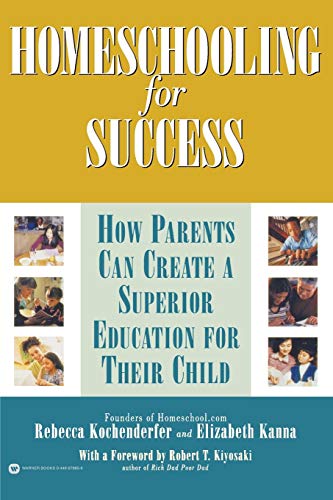
 Homeschooling for Success: How Parents Can Create a Superior Education for Their...
 -
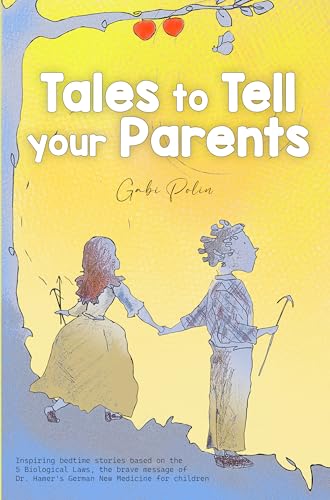
 Tales to Tell your Parents: Inspiring bedtime stories based on the 5 Biological ...
 -
 Shemini: New Beginnings, The Holy Mishkan, and The Laws of Kashrut - A Jewish Ch...
 -
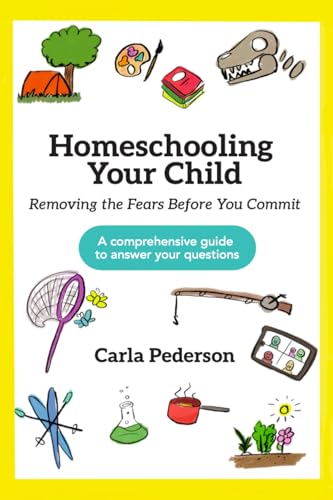
Homeschooling Your Child: Removing the Fears Before You Commit
-
 The Wolf's Legacy (Homeschooling Collection)
 -
How to Advocate Successfully for Your Child: What Every Parent Should Know About...





Featured Resources
-
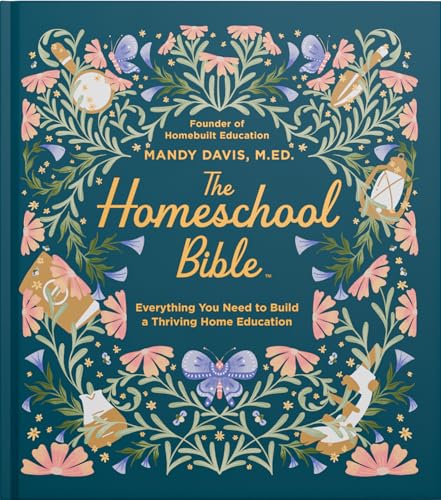
 The Homeschool Bible: A Practical Guide to Homeschool Curriculum, Lesson Plannin...
 -
 The Law of God: For Study at Home and School
 -
 Wrightslaw Special Education Law, 3rd Edition
 -
The Beginners Homeschool Survival Guide: A Realistic and Encouraging Guide for P...
-
Homeschool Hours Log Book: For Missouri Moms to Plan and Document Law Requiremen...
-
Physical Science Workbook: Newtons Laws of Motion for Kids | Middle School &...